


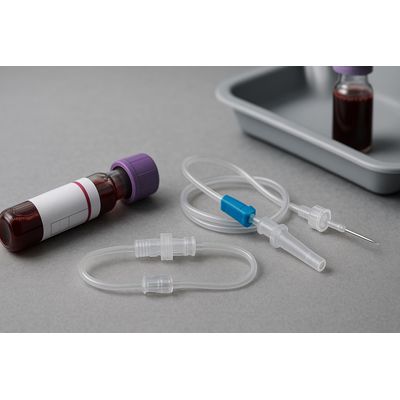
Reducing Blood Culture Contamination in the ED: Impact of Kurin Lock Implementation
Eight-week ED pilot conducted May–July 2024 evaluated the Kurin Lock device for reducing blood culture contamination (BCC). ED staff received training prior to implementation. Blood cultures collected using Kurin Lock were compared with those obtained via the standard method. Contamination was defined by the Clinical Microbiology Team as isolation of organisms considered clinically insignificant and likely derived from skin flora. Data were extracted from the hospital’s surveillance system.
Findings
A total of 768 blood cultures were collected. Contamination occurred in 2.7% (n=6/221) of Kurin Lock cultures compared with 10.4% (n=57/547) with the standard method (p=0.0004), representing a 74% relative reduction. Staff adherence to device use averaged 28.5%.
Conclusion
Use of the Kurin Lock device was associated with a significant reduction in BCC, achieving rates below the 3% standard. These findings indicate potential benefits for patient outcomes and healthcare costs. Ongoing success will depend on increasing staff engagement and integration into routine practice.
Original: https://www.kurin.com/reducing-blood-culture-contamination-in-the-ed-impact-of-kurin-lock-implementation/