


Biosynth Ltd products
Tropical Viruses - Native Antigens
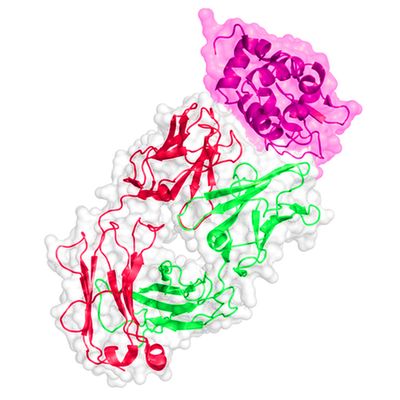
Model BC 6341 - Influenza B Virus Antigen
SHELF LIFE: 5 years from date of manufacture, SOURCE: Influenza B virus, strain B/Jiangsu/10/03, CULTURE SYSTEM: Embryonated eggs, PRESENTATION: Presented as frozen liquid in Allantoic fluid, INACTIVATION: Heat inactivated. Inactivation of the virus is confirmed by inoculation of a fertile egg without losing vigour in the embryo. HAEMAGGLUTINATION TITRATION: Ratio reported, PRESERVATIVE: None, STORAGE: Frozen (-70ºC), Avoid repeated freezing and thawing, CAUTION: Although inactivated, please handle with appropriate precautions.
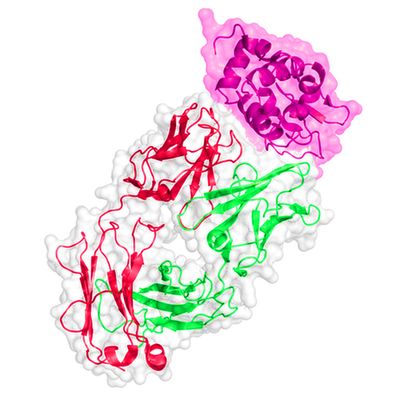
Model BC 6355 - Native Zika Virus Antigen
SHELF LIFE: 5 years from date of manufacture, SOURCE: Zika virus – Strain MR 766, CULTURE SYSTEM: Vero E6 cell culture, PRESENTATION: 50mM Glycine, pH 9.0, PROTEIN CONCENTRATION: mg/ml by Bradford (Biorad) assay, INACTIVATION: Beta-propiolactone treatment and UV-irradiation, INFECTIVITY ASSAY: After 7 days of incubation no cytopathic effect (CPE) is observed, PRESERVATIVE: None, STORAGE: Frozen (-70ºC), Avoid repeated freezing and thawing, CAUTION: Although inactivated, please handle with appropriate precautions.
Life Sciences - Antibodies - ELISA Kits
Biosynth Carbosynth - Model NYK-88013 - C-Peptide (Mouse)-EIA Kit (1ea)
Biosynth Carbosynth - Model NYK-88010 - C-Peptide (Rat)-EIA Kit (1ea)
C-Peptide (Rat)-EIA Kit is a kit that contains the necessary components for the quantitative determination of rat C-peptide in serum or plasma. The kit includes antibodies against rat C-peptide and a standard reference material. It is suitable for use with all commercially available ELISA readers.
Polyclonal Antisera - Polyclonal Antisera to Human Proteins
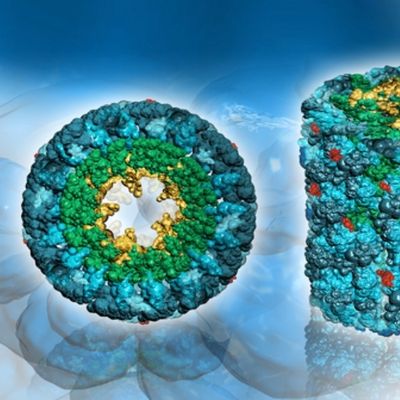
Model BB 2254-b - Goat Anti-Human Albumin, IgG Fraction
SHELF LIFE: Minimum 4 years from date of manufacture when stored at +2 to +8°C*. TOTAL PROTEIN: ≥4g/dl by O.D. (280nm) using extinction coefficient 1.4, ANTIBODY TITER: mg/ml by Becker Method, IMMUNOGEN: Purified human Albumin, PRESENTATION: Presented liquid in Tris saline, 0.2μ filtered, pH 7.5, SPECIFICITY: Monospecific when tested against pooled human plasma and twice concentrated pooled human serum by IEP, PRESERVATIVE: 0.1% Sodium Azide, STORAGE: +2 to +8ºC, NOTE: The expiry date shown on CoA is the minimum of 4 years from date of manufacture. Product may also be stored long term (up to 10 years) at -20°C. In this case it is recommended to aliquot into working volumes to avoid multiple freeze/thaw cycles. 0.2μ filtration is recommended prior to use if precipitate is observed.
Natural Products - Alkaloids
Biosynth - Model MA10110 - 6-Acetamido-6-Deoxycastanospermine
Nucleosides - Nucleosides, Nucleotides and Nucleic Acids
Biosynth - Model NA16897 - Abacavir Carboxylate
Abacavir carboxylate is a prodrug of abacavir that is activated by the carboxylation of the terminal hydroxyl group in the liver. It has been shown to be quantified using a liquid chromatography-mass spectrometry (LC-MS) method. Abacavir carboxylate has an additional benefit of being less sensitive to degradation by nitrate, which can interfere with the analysis of acyclovir. The deuterium label on abacavir carboxylate ensures that it is not confused with acyclovir and facilitates identification in wastewater samples.