


KORU Medical Systems products
Home Infusion
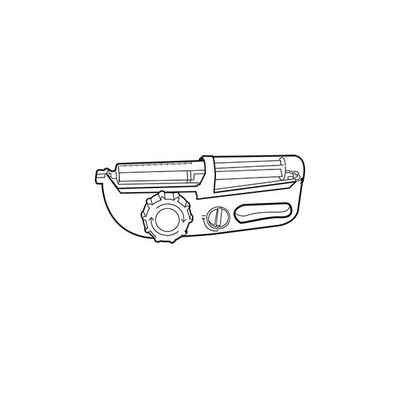
KORU - Model FREEDOM60 - Syringe Infusion System
Safety meets simplicity at last in a pump designed for everyone: patients, nurses, pharmacists, and technicians. The syringe driver is designed to accommodate 60ml, now labeled 50 ml, BD syringes.
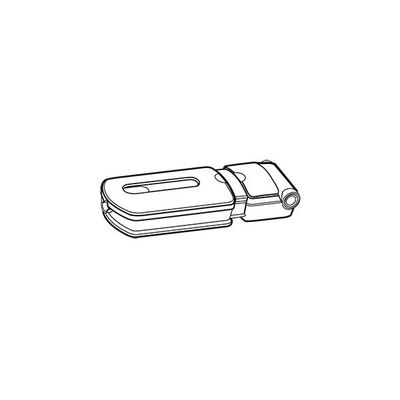
KORU FreedomEdge - Syringe Infusion System
With the performance of the familiar FREEDOM60® in an even simpler design for 20ml and 30ml syringes comes the FreedomEdge® – a compact infusion solution that’s easy to use for smaller or often-repeated doses. It is so simple it makes frequent and flexible dosing a reality – in a safe, controlled manner. Just close and go.
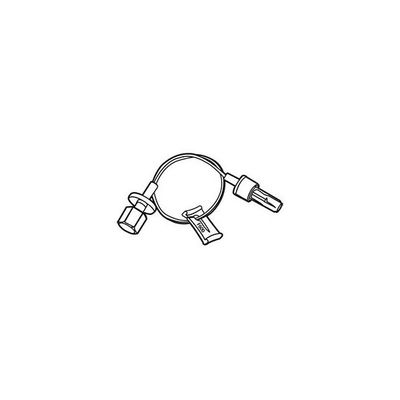
KORU - Precision Flow Rate Tubing
Patients and clinicians need flow rates and delivery times they can depend on. Precision tubing sets are FDA cleared for use with our Freedom syringe drivers to assure the absolute best system performance. When you need accuracy, reliability, and safety – you need Precision. For assistance in determining which flow rate tubing set to use, see our Freedom Flow Rate Calculator for the delivery of IgG.
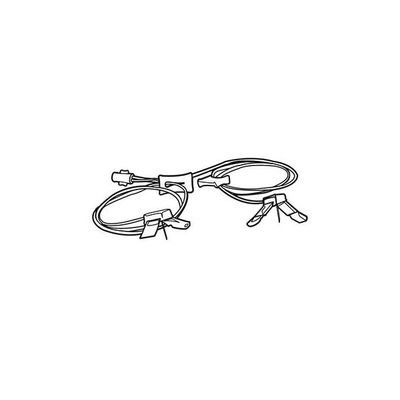
KORU - Model HIgH-Flo - Subcutaneous Safety Needle Sets
The enhanced design of KORU’s HIgH-Flo needle sets helps to improve patient outcomes. With various options and unique benefits, patient advocates, nurses, and key opinion leaders recommend HIgH-Flo.
Others
Freedom Integrated Infusion System
KORU’s infusion devices work together as a system to deliver life-saving therapies to patients with chronic illnesses, such as primary immunodeficiency diseases (PIDD) and Chronic Inflammatory Demyelinating Polyneuropathy (CIDP). Together, our FreedomEdge® and FREEDOM60® Infusion Systems are cleared for the most on-label subcutaneous indications* - including Cutaquig®, Cuvitru®, Gammagard Liquid®, Empaveli®, Hizentra® and Xembify® and are compatible with 20, 30, and 50 ml BD® syringes along with 20 ml Hizentra® prefilled syringes.
Therapeutic Areas
Primary Immunodeficiency Disease (PIDD)
Primary Immunodeficiency Diseases (PIDD) are a group of over 350 chronic disorders resulting from defects in the body`s immune system that are caused by hereditary or genetic defects. PIDD patients have an increased susceptibility to infection due to their defective immune response, enduring recurrent health problems and often developing serious illnesses. With proper medical care, many patients can live full and independent lives.1, 2
Chronic Inflammatory Demyelinating Polyneuropathy (CIDP)
Chronic inflammatory demyelinating polyneuropathy, or CIDP, is a rare disorder characterized by gradually increasing sensory loss and weakness associated with loss of reflexes. This is caused by an autoimmune process in which the body’s own immune system doesn’t recognize its nerve fibers and attacks them. This leads to inflammation of nerve roots and peripheral nerves, as well as the deterioration of the fatty protective covering (myelin sheath) over the nerves, affecting how fast the nerve signals are transmitted and leading to loss of nerve fibers.1,2
Paroxysmal Nocturnal Hemoglobinuria (PNH)
Paroxysmal nocturnal hemoglobinuria (PNH) is a rare, chronic, life-threatening blood disorder characterized by the complement-mediated destruction (hemolysis) of oxygen-carrying red blood cells. The disease is caused by a genetic mutation in the DNA and causes red blood cells to be missing a critical protein responsible for protecting them. Hemolysis occurs in PNH through two mechanisms: intravascular hemolysis (IVH), which occurs inside blood vessels, and extravascular hemolysis (EVH), which occurs in the liver and spleen. Both types of hemolysis are responsible for the symptoms of PNH. When red blood cells break apart, hemoglobin (carries oxygen around the body) is eliminated in urine. Low hemoglobin leads to low oxygen, which causes symptoms like fatigue, headache, and shortness of breath.