

ZeptoMetrix - ANTYLIA Scientific products
Quality Control in Clinical Laboratories - Molecular Controls for Infectious Disease Testing

ZeptoMetrix - Model NATADV1-ST - 1 mL Type 1 Adenovirus
NATtrol products are ready to use, inactivated full process controls designed to evaluate performance of molecular tests. They can be used for verification of assays, training of laboratory personnel and to monitor assay-kit lot performance.

ZeptoMetrix - Model NATADV3-ST - 1 mL Type 3 Adenovirus
NATtrol products are ready to use, inactivated full process controls designed to evaluate performance of molecular tests. They can be used for verification of assays, training of laboratory personnel and to monitor assay-kit lot performance. NATtrol products contain intact organisms and should be run in a manner similar to clinical specimens.

ZeptoMetrix - Model NATADV31-ST - 1 mL Type 31 Adenovirus
NATtrol products are ready to use, inactivated full process controls designed to evaluate performance of molecular tests. They can be used for verification of assays, training of laboratory personnel and to monitor assay-kit lot performance. NATtrol products contain intact organisms and should be run in a manner similar to clinical specimens.
Quality Control in Clinical Laboratories - Serology Control
ZeptoMetrix - Zika IgM/IgG Control Pack
The Zika Antibody Control Pack consists of onevial each ofIgG, IgM and negative antibody controls. The IgG and IgM controls contain anti-Zika NS1 mouse monoclonal antibody conjugated to purified human IgG or IgM, respectively. All controls are supplied in normal human plasma, 0.09% sodium azide and other stabilizing reagents.These controls are designed to mimic actual Zika positive and negative antibody plasma specimens.

ZeptoMetrix - Model KZMC002 - Syphilis Mixed Titer Panel (15 X 1mL)
The syphilis positive donor plasmas used for this panel were obtained under informed consent and collected in US FDA licensed plasma centers. Donors were untreated and asymptomatic at the time of collection.
Coronavirus Products
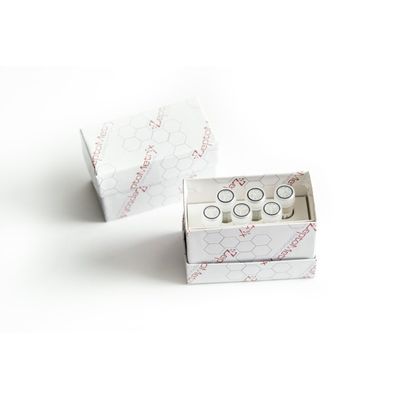
ZeptoMetrix - Model NATFRC-6C - Flu/RSV/SARS-CoV-2 Positive Control
NATtrol™ Flu/RSV/SARS-CoV-2 External Run Controls (NATFRC-6C (Positive Control) and NATCV9-6C (Negative Control)) are formulated with purified, intact viral particles that have been chemically modified to render them non-infectious and refrigerator stable. Each control pack contains 6 X 0.5 mL of NATtrol™ inactivated virus.
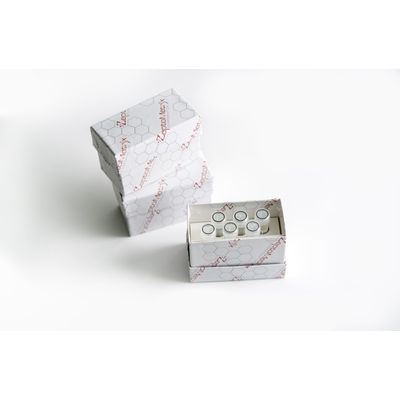
ZeptoMetrix - Model NATCV9-6C - Flu/RSV/SARS-CoV-2 Negative Control (6 x 0.5mL)
NATtrol™ Flu/RSV/SARS-CoV-2 External Run Controls (NATFRC-6C (Positive Control) and NATCV9-6C (Negative Control) are formulated with purified, intact viral particles that have been chemically modified to render them non-infectious and refrigerator stable. Each control pack contains 6 X 0.5 mL of NATtrol™ inactivated virus. INTENDED USE: NATtrol™ Flu/RSV/SARS-CoV-2 external run controls are designed to evaluate the performance of nucleic acid tests for determination of the presence of respiratory virus nucleic acids. NATFRC-6C (Positive Control) and NATCV9-6C (Negative Control) enables laboratories to monitor test variation, lot-to-lot test kit performance, operator variation, and can provide assistance in identifying random or systemic error.
Quality Control in Clinical Laboratories - Purified DNA
ZeptoMetrix - Model 0801437DNA-10UG - Salmonella enterica Serovar Typhimurium Z005, DNA (10 µg)